Stress, frequent washing, changes of season, physiological or metabolic changes can all affect hair health: hair starts to fall out and becomes more fragile. What can you do? If you are looking for a way to strengthen your hair from root to tip, you should know that nature offers several remedies to strengthen hair gently and effectively. Discover them with us and enrich your daily haircare with all the care and nourishment you need!
|
|
How hair is made
Before working out how to strengthen your hair, let's look at the most common causes of weakening, starting with the composition and structure of hair.
Hair is mostly made of keratin, a protein formed of long chains of amino acids, which makes up about 85% of its composition. It is keratin that makes hair elastic, flexible, resistant to pulling and easy to style. That is why a loss of keratin can compromise the health and structure of the hair.
In this regard, it is worth noting that hair is made up of 3 layers:
- the outer cuticle, formed of thin, transparent cells arranged in overlapping scales that protect the inside;
- the cortex, the middle and thickest part of the hair, made of pigmented cells rich in keratin and melanin (which gives hair its colour), held together by proteins and lipids;
- the inner medulla, formed of large keratinised cells containing melanin granules and air bubbles.
That is the shaft, but there are also the root and the bulb of the hair, which are essential for hair growth and nourishment.
When and why hair becomes weak
Based on what we have just said, weak hair can be caused by factors such as:
- hormonal imbalances: changes in testosterone, for example during the menopause, can have a negative effect on the bulb and root;
- nutritional deficiencies: a diet low in protein, iron, zinc and essential vitamins can compromise the composition and strength of hair;
- physical and mental stress: stressful situations can speed up hair loss or lead to excessive production of sebum and toxins;
- aggressive beauty treatments: frequent dyeing, bleaching or perms can damage the cuticle, making hair more fragile and prone to breakage;
- diseases: thyroid disease, lupus, diabetes and scalp infections can contribute to hair weakening and loss;
- medication: some medicines, especially if taken for long periods, can prevent the proper elimination of skin toxins, affecting the nourishment and growth of hair, which becomes thinner, more fragile and less voluminous;
- cancer treatments: chemotherapy drugs that inhibit the multiplication of cancer cells can also affect the cells of the hair follicles;
- weather: sun, sea, wind, cold, rain, smog and pollution can affect hair at various levels and in various ways. That is why it is always worth considering the most suitable protection for each situation.
Understanding the structure of hair and the causes of its weakening is essential for taking preventive measures and choosing suitable treatments, in order to keep your hair healthy and strong.
5 signs of weak hair
- Hair that breaks easily: if you notice broken hairs on your shoulders or pillow, it may be a sign of fragility due to aggressive treatments or nutritional deficiencies.
- Excessive hair loss: losing more than 100 hairs a day for a prolonged period (over 4 weeks) may be linked to micro-inflammation of the scalp, thyroid problems, severe stress, changes of season, drastic diets, or hormonal or immune imbalances. That is why, before acting, it is essential to understand the cause of the problem and then find the most suitable treatment.
- Dull, lifeless hair: hair that is dull and lacks shine may be a sign of dehydration or a damaged cuticle.
- Visible split ends: who hasn't had them? Known scientifically as trichoptilosis, it is a very common phenomenon and a sign of weakened hair, often due to excessive heat exposure or poor hydration.
- Fine hair lacking volume: if your hair looks flat and less full than usual, it may be a sign of keratin deficiency or loss of density.
In all these cases, nature's gifts can help, both as local treatments and as supplements. That is exactly what the next section is about: find out more!

How to strengthen hair naturally: 5 remedies to try
1. Olive oil for dry, frizzy hair
Rich in vitamin E and fatty acids, olive oil nourishes deeply and prevents breakage. Among the natural methods for strengthening hair, it is particularly useful if your hair is damaged, prone to frizz and breaks easily.
How to use it: apply a few drops to the lengths and leave on for at least 30 minutes before rinsing with a gentle shampoo. For an intensive treatment, leave it on overnight.
2. Coconut oil for fine, damaged hair
Thanks to its ability to penetrate the hair shaft, coconut oil is a strengthening treatment, as it reduces the protein loss behind many hair problems. It is particularly suitable if your hair is thin or worn out by dyes, straighteners or chemical treatments.
How to use it: massage it into the scalp and lengths before washing your hair. Leave it on for 20-30 minutes, then shampoo.
3. Aloe vera for dandruff and greasy hair
Aloe vera is one of the treatments for strengthening hair, as a soothing and rebalancing natural remedy. That is why it is recommended not only when your scalp is irritated or you have dandruff, but also if your hair tends to get greasy quickly.
How to use it: extract the gel from an aloe vera leaf and apply it directly to the scalp. Massage gently, leave on for 15-20 minutes, then rinse.
4. Avocado and yoghurt for fragile, dull hair
Avocado and yoghurt are among the natural treatments for strengthening hair: the fruit is rich in healthy fats, while the fermented milk provides essential proteins to repair the hair fibre. A perfect combination for fragile, dull hair.
How to use them: mash half a ripe avocado and mix it with two tablespoons of natural yoghurt. Apply the mask to damp hair and leave on for 20-30 minutes before rinsing.
5. Spirulina: the superfood for weak hair and hair loss
Spirulina is rich in protein, iron and B vitamins, which are essential for strengthening hair, revitalising the bulb and stimulating growth. It is suitable if you suffer from thinning hair, and also if your hair breaks easily.
How to use it: mix 2 tablespoons of spirulina powder with water or yoghurt until creamy. Apply to damp hair, leave on for 20 minutes and rinse thoroughly.
But that is not all: to enjoy the many benefits of spirulina for your hair, you can also take it as a supplement for naturally healthy, strong hair. That is what we dedicate the conclusion of our article to.
Spirulina: your natural hair strengthener
Choosing spirulina for your hair means helping to rebuild its structure, improving the function of the sebaceous glands, relieving itching and dandruff, and countering free radicals. An action on several fronts that makes hair stronger, softer, shinier, fuller and deeply nourished.
In particular, the benefit of spirulina for hair loss comes from its supply of:
- essential amino acids, which stimulate keratin synthesis;
- B vitamins, which strengthen the hair follicles;
- minerals, which stimulate regrowth by strengthening hair from root to tip.
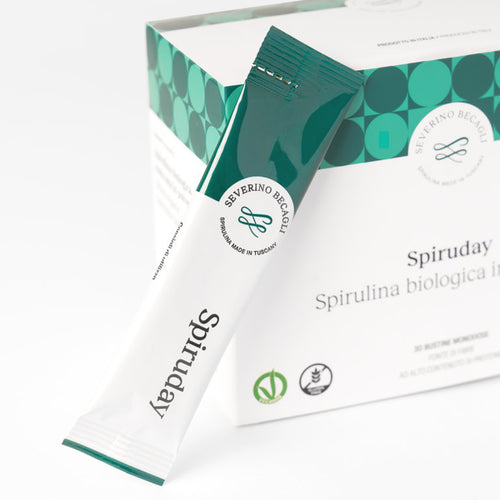
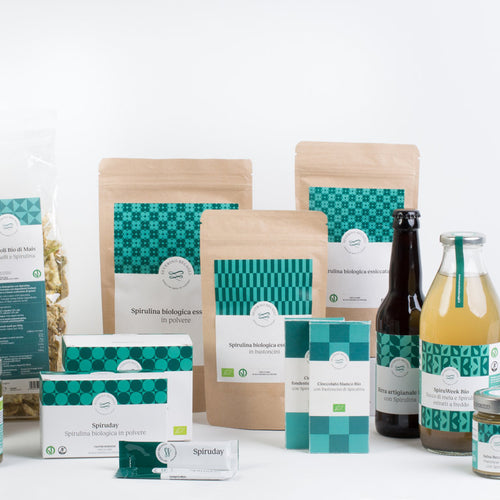
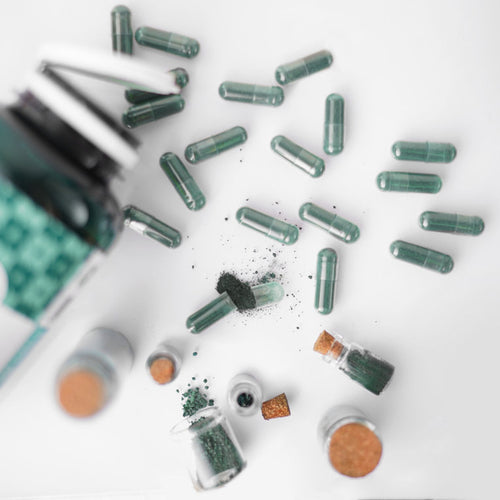
All that's left is to choose the format that best suits your needs from the Spirulina Becagli supplements! Keep following us to discover all the properties and uses of our 100% Tuscan organic superfood.