Spirulina is a blue-green microalga with a perfect spiral shape. Biologically, it is one of the planet's oldest inhabitants and represents an evolutionary bridge between bacteria and plants.

This page brings together some of the most frequently asked questions about using Severino Becagli spirulina.

Is spirulina a supplement?

Spirulina (Arthrospira platensis) is recognised as a food by EFSA (European Food Safety Authority) and is therefore governed by food regulations. However, it can be sold and consumed as a food supplement when supplied in measured doses, in capsules or tablets, and used to supplement the diet rather than as a substantial source of food.

How, when and how much spirulina should I take each day?

You can add spirulina to your daily routine in different ways, depending on the format you choose.

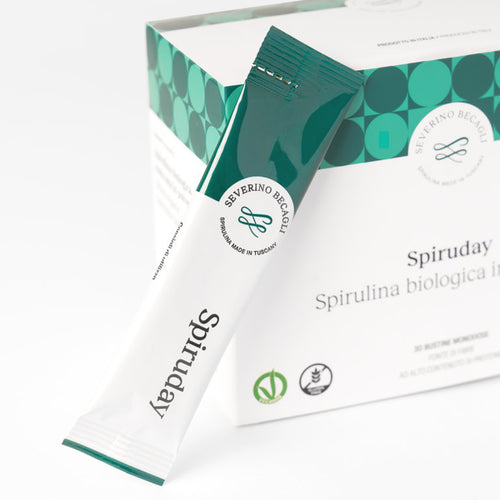
Powder or sticks: the recommended amount is around 3 grams. For the best flavour, mix it into yoghurt, fruit juice or a fresh juice extract.

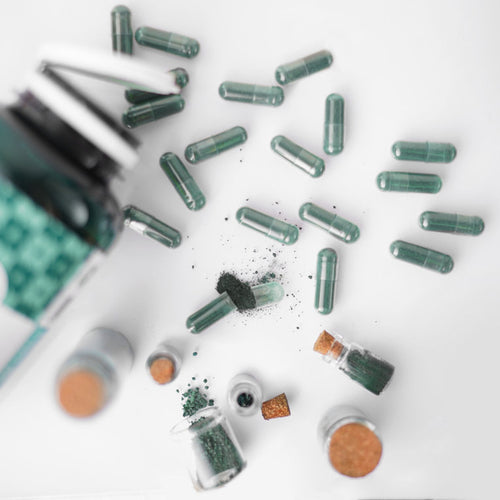
Capsules or tablets: we recommend 6 capsules/tablets a day, swallowed with water, equivalent to 3 grams of dried spirulina.

When should I take it? You can take it at any time of day. To make the most of its energising properties, we recommend breakfast or lunch; alternatively, take it before or after a workout to support exercise.

Individual amounts for athletes: the ideal amount depends on your lifestyle, metabolism and goals. People who practise high-intensity sport may increase the amount to 10–15 grams a day, always remembering to increase their daily water intake too.

Note: spirulina supplements should not replace a varied, balanced diet and a healthy lifestyle. As spirulina is a food, it is not appropriate to speak of a medical dosage, but its nutrient density allows some general guidance. The usual recommendation is 3 g of spirulina a day; a higher amount may be considered for intense physical activity.

How long should I take it for?

As spirulina is a natural food and supplement rather than a medicine, there is no strict medical dosage. Experts recommend 3 grams a day for 3-month cycles, with a one-month break between cycles. Depending on your habits, you can take it all at once or spread it throughout the day.

Does spirulina contain gluten?

Spirulina is naturally gluten-free. Check labels carefully: the presence of allergens of various kinds indicates a product that is not pure or high-quality.

Is spirulina a weight-loss product?

Let's clear up a myth! Spirulina is not a weight-loss product, but it is a valuable ally for people following a calorie-controlled diet. Cutting calories can leave you tired or short of essential nutrients. Spirulina helps by providing a concentrated supply of vitamins, minerals and proteins without weighing you down. Taken around 30 minutes before meals, its nutritional richness and easy absorption also help stimulate a feeling of fullness. We recommend 3 grams a day to support a healthy, balanced diet.

Does spirulina contain iodine?

Spirulina Becagli is grown in fresh water and is naturally iodine-free, making it safe for people with non-autoimmune thyroid conditions, such as common hypothyroidism. In hypothyroidism, its natural trace elements, including selenium and minerals, can provide valuable nutritional support.

Caution in Hashimoto's thyroiditis (autoimmune): because spirulina stimulates the immune system, its use is generally discouraged or should be agreed with your endocrinologist to avoid flare-ups of inflammation. Find full details in “The effects of spirulina on the thyroid”.

Can people with high blood pressure or diabetes take it?

Several studies indicate that regular spirulina intake can help improve lipid and metabolic profiles, so it can also be consumed by people with high blood pressure or diabetes.

Can it help prevent cardiovascular risk?

Spirulina is a natural source of bioactive compounds such as phycocyanin, powerful antioxidants and essential fatty acids (omega-3 and omega-6), which benefit cardiovascular wellbeing.

As part of a healthy lifestyle and a balanced diet, spirulina supplementation helps to:

Support lipid metabolism: it contributes to the balance of normal cholesterol and triglyceride levels in the blood.

Counter oxidative stress: its antioxidant molecules help protect cells and blood vessels from free radicals.

Promote healthy microcirculation: it supports the natural elasticity of arteries and blood flow.

Note: food supplements do not replace a varied, balanced diet and a healthy lifestyle. If you have cardiovascular conditions or take medicines, consult your doctor.

Can I take it during pregnancy, breastfeeding or medical treatment?

Spirulina Becagli is a natural, pure, contaminant-free food rich in valuable nutrients such as iron, folic acid and proteins, which are particularly useful when nutritional needs are greater.

However, pregnancy, breastfeeding and taking medicines, particularly anticoagulants or immunosuppressants, are sensitive circumstances. Always consult your doctor or gynaecologist before use. They can assess whether supplementation is appropriate based on your personal medical history.

Can I take it alongside my medicines?

If you are taking medicines, always consult your doctor before starting spirulina supplementation.

Although it is a natural food, spirulina contains concentrated active compounds and nutrients, such as vitamin K and immune-stimulating compounds, which could interact with specific medicines, particularly anticoagulants, antiplatelet drugs or immunosuppressants. Your doctor can assess compatibility based on your health and treatment.

Can children take it?

Spirulina is a natural, safe food rich in nutrients valuable for children's growth and development, including proteins, vitamins and minerals.

As it is a concentrated supplement, always consult your paediatrician before giving it to a child so that the amount can be adapted to their clinical circumstances.

As general guidance, the recommended amount for children is a maximum of 1–2 grams a day, for no more than 3 consecutive weeks, while ensuring good daily hydration.

Can I take other supplements alongside spirulina?

Yes. Spirulina is a natural food exceptionally rich in vitamins, minerals and plant proteins, which is why it already provides comprehensive support for everyday wellbeing for many people.

However, it can be combined with other supplements according to individual needs. For example, combining it with vitamin C is particularly recommended because vitamin C promotes absorption of the iron naturally present in spirulina. For specific supplements or tailored nutrition plans, seek advice from your nutritionist or doctor.

Who is spirulina recommended for?

Spirulina is suitable for anyone who wants to support their natural wellbeing and maintain a high intake of essential nutrients in everyday life.

Its remarkable nutritional profile, rich in plant proteins, vitamins, minerals and antioxidants, makes it valuable during tiredness, seasonal changes, intense sporting activity or a busy lifestyle. A pure, natural supplement, ideal for enriching a varied, balanced diet.

Who should avoid spirulina?

Spirulina is a natural food that is safe for most people. However, some specific conditions mean it should be avoided or require prior medical advice:

Anticoagulant treatment: spirulina contains vitamin K, which can interact with or counteract the effect of blood-thinning medicines.

Phenylketonuria (PKU): as an amino-acid-rich food, spirulina contains phenylalanine, which people with this rare condition cannot metabolise.

Autoimmune diseases: its natural immune-supporting properties could interfere with autoimmune conditions or immunosuppressant medicines.

If you have pre-existing conditions, are taking medicines or have any doubts about your health, always consult your doctor before use.

Why choose Spirulina Becagli?

What makes Spirulina Becagli different is our unique cultivation, harvesting and processing method, which preserves the full nutritional value of this superfood.

Protected, organic cultivation: our spirulina grows in ponds inside automated greenhouses that constantly monitor temperature, ventilation and sunlight. This ensures an exceptionally pure environment, without any risk of external contamination by insects, heavy metals or pollutants.

Safe, automated harvesting: advanced automatic systems prevent direct contact with operators and ensure extremely high hygiene standards.

Slow drying at low temperature (40 °C): unlike large industrial producers that use high-temperature spray drying above 100 °C, degrading vitamins, amino acids and enzymes, we dry our spirulina slowly at 40 °C for 6–8 hours. This process preserves its protein, vitamin and sensory profile.

A choice of pure, 100% Italian quality

Choosing certified organic, traceable spirulina matters: when grown in uncontrolled water or processed at high temperatures, spirulina can lose its properties or accumulate toxic substances such as heavy metals and microcystins.

For any other questions about using Severino Becagli spirulina, please email info@spirulinabecagli.it.