Contents:
- What is spirulina?
- Spirulina: properties
- Spirulina: benefits
- What spirulina is used for
- Spirulina: precautions and contraindications
- Spirulina as a supplement
- How to take spirulina
- Why choose Spirulina Becagli
1. What is spirulina?
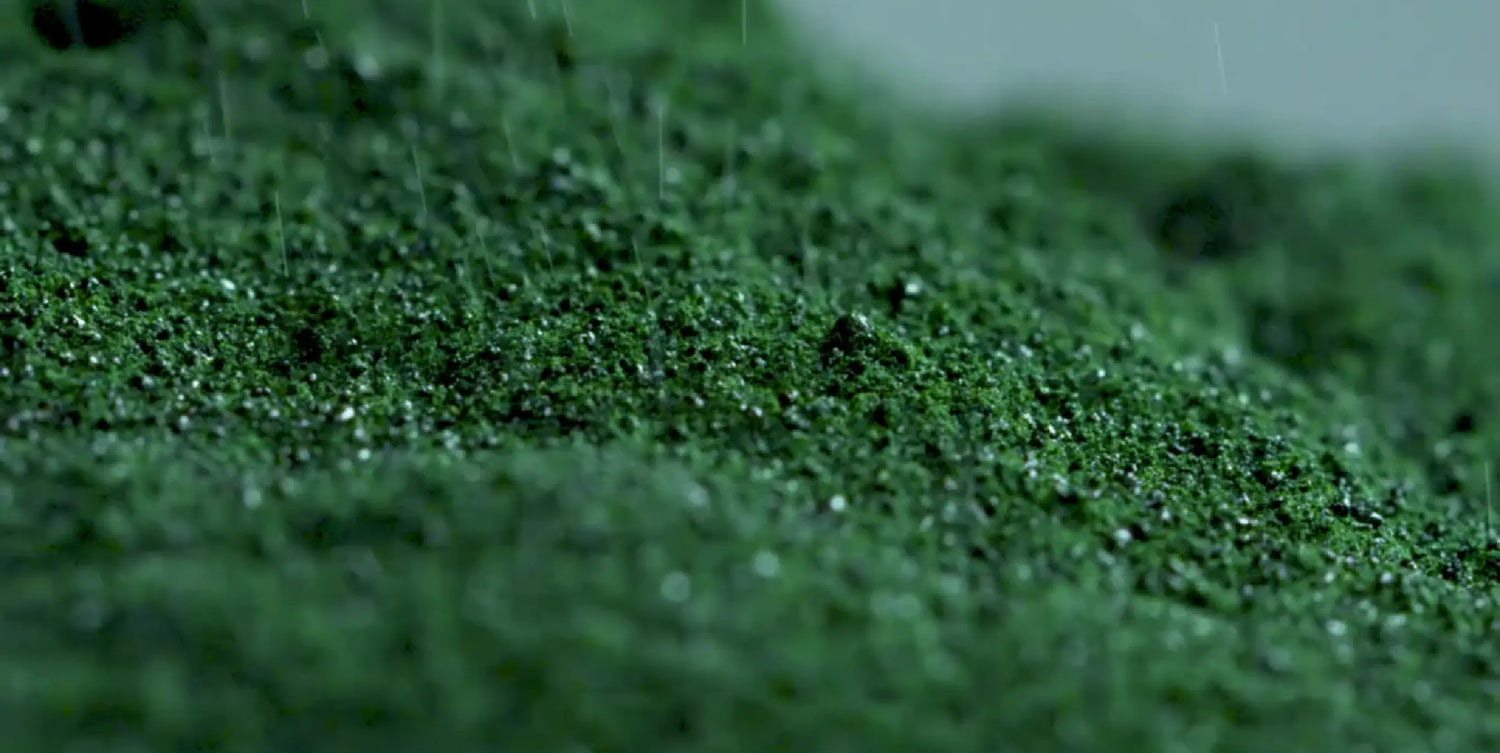
Arthrospira platensis, better known simply as spirulina, is a microorganism belonging to the cyanobacteria group, commonly referred to as blue-green microalgae, with a characteristic spiral shape.
In evolutionary terms, cyanobacteria are among the oldest photosynthetic microorganisms on Earth. Their importance is crucial because, through the evolutionary process of endosymbiosis, they are considered the precursors of chloroplasts in higher plants. In the wild, they grow naturally in tropical and subtropical regions, in lakes with warm, brackish water and a strongly alkaline pH.
Today, commercially available spirulina must comply with strict food safety standards and laboratory testing to rule out contaminants such as heavy metals or bacterial toxins. It can come from conventional controlled cultivation or certified organic supply chains under current European regulations, a fundamental distinction for ensuring compliance and traceability of the finished product.
With a nutritional profile rich in proteins, essential amino acids, vitamins, minerals and antioxidant pigments, spirulina has centuries of documented use, from pre-Columbian civilisations to African communities around Lake Chad. Today, it is used as a food or food supplement in full compliance with European regulations governing the sector.
2. The properties of spirulina
Spirulina Becagli is grown, harvested and processed at our production facility in Grosseto, in the heart of Tuscany's Maremma region. It is dried at low temperatures to preserve its sensory properties and nutritional composition as fully as possible. It is 100% organic, free from GMOs, additives and synthetic pesticides, and certified organic and VeganOK.
On average, dried spirulina has a low moisture content of around 5% and consists mainly of highly bioavailable plant proteins, up to 60–70% of its dry weight, carbohydrates, around 20–24%, and a lipid fraction containing essential fatty acids and natural pigments.
Let's look at its nutritional composition in detail:
Proteins
Dried spirulina has an exceptionally high protein content, ranging from 55% to 70% of its dry weight. By comparison, fresh meat and eggs, which contain substantial amounts of water, provide around 20% and 12% protein respectively. This makes spirulina excellent nutritional support for people who exercise, follow vegetarian or vegan diets, or wish to supplement their daily diet.
Essential amino acids
Amino acids are the building blocks of proteins. During digestion, our bodies break dietary proteins down into amino acids so they can be absorbed and used.
Nine amino acids are called essential because the body cannot produce them on its own and must obtain them from food. Spirulina is one of the few plant foods that provides all nine essential amino acids in optimal proportions, ensuring a complete protein profile with high biological value.
Lipids and essential fatty acids
Spirulina's lipid fraction consists mainly of omega-6 polyunsaturated fatty acids. In particular, it is one of the few plant sources of gamma-linolenic acid (GLA). It also contains linoleic acid (LA) and traces of other fatty acids that help support cardiovascular health and blood lipid balance.
Vitamins
Spirulina is a concentrated source of vitamins essential to the proper functioning of metabolism and the immune system:
Provitamin A (beta-carotene), a valuable precursor of vitamin A
Vitamin E, with antioxidant activity
B vitamins (B1, B2, B3, B6 and B9 / folic acid), which support normal energy metabolism
Minerals and trace elements
Spirulina is rich in essential minerals and trace elements involved in many physiological functions, from healthy bones and teeth to preventing tiredness:
Iron (readily absorbed)
Calcium
Magnesium
Potassium
Zinc, selenium, copper, manganese, phosphorus and sodium
Supplementing the diet with spirulina helps address nutritional deficiencies associated with busy lifestyles or nutrient-depleted processed foods, providing high-quality natural support.
Just 6 grams of spirulina are equivalent to

6000g Apples

30g Carrots

600g Grapes

70g Spinach

3. Spirulina: the benefits
Thanks to its exceptionally nutrient-rich composition, spirulina supports both physical and mental wellbeing. But what are its main properties?
Here is how its nutritional components support key physiological functions:
Protection from oxidative stress: micronutrients such as vitamin E, together with natural pigments including beta-carotene and phycocyanin, help protect cells from oxidative stress caused by free radicals.
Restorative and nutritional support: spirulina is traditionally recognised as a nourishing, supportive food, ideal during periods of physical and mental tiredness, seasonal changes, or intense sporting and working activity.
Immune system support: the micronutrients in spirulina, including iron and vitamin A precursors, contribute to the normal functioning of the immune system.
Reduction of tiredness and fatigue: essential minerals such as iron and magnesium contribute to normal energy metabolism and help reduce tiredness and fatigue.
Healthy bones, muscles and nervous system: the balanced presence of calcium, magnesium and potassium supports normal muscle function, nerve impulse transmission and the maintenance of healthy bones.
As part of a healthy lifestyle and a varied, balanced diet, spirulina is a valuable natural way to supplement the whole family's nutrition.
4. What is spirulina used for?
Now that you know its remarkable properties, let's look at what spirulina is used for and how it can help you every day.
Spirulina is a versatile ally for wellbeing: it supports you during physical and mental tiredness, complements controlled diets, helps strengthen the immune system and provides a balanced supply of micronutrients that also benefit the beauty of skin and hair.
Here is how spirulina addresses specific needs:
To support energy and vitality
During demanding periods of work or study, or seasonal tiredness, spirulina provides natural nutritional support. Its iron and B vitamins contribute to normal energy metabolism and the reduction of tiredness and fatigue. As a food rather than a nervous system stimulant such as caffeine, it nourishes the body progressively and in a balanced way.
Find out more in our article “More energy with spirulina”.
Valuable support for controlled diets
As part of a balanced, calorie-controlled diet and an active lifestyle, spirulina is particularly useful for:
Providing nutrient-dense plant proteins with a low calorie content;
Supplying essential minerals and vitamins, helping prevent micronutrient deficiencies associated with restricted diets;
Supporting normal energy metabolism while developing healthier eating habits.
Read more in “Does spirulina help you lose weight?”
To strengthen immune defences
Spirulina is traditionally valued as a restorative food during seasonal changes, colder months or periods of particular tiredness. Minerals such as iron and zinc, together with provitamin A (beta-carotene), contribute to the normal functioning of the immune system, helping the body maintain its natural defences. Read more in “Spirulina as a natural restorative”.
For healthy, vibrant skin
Thanks to its high content of beta-carotene, a vitamin A precursor, and substances with antioxidant activity:
It contributes to skin health: vitamin A helps maintain normal, healthy skin;
It protects cells from oxidative stress: natural pigments such as phycocyanin and beta-carotene, together with antioxidant micronutrients, help counteract free radicals generated by external factors such as pollution and sun exposure;
It promotes an even complexion: the natural supply of carotenoids helps prepare the skin for sun exposure and enhance its appearance.
The result is nutritional support from within for healthy-looking, firm and radiant skin.
Find out more in:
“Spirulina for beautiful skin”.
For beautiful, healthy hair
Spirulina provides valuable nutrition to support hair health, particularly when it looks brittle, dull or weakened by seasonal changes. Thanks to its essential amino acids, needed for keratin synthesis, and micronutrients such as zinc and selenium:
It helps maintain healthy, strong and shiny hair;
It protects the hair structure and scalp cells from oxidative stress;
It provides valuable nutritional support for the hair's natural vitality.
Read more in “Spirulina for hair”.
To support energy and nutrient metabolism
With its balanced micronutrient profile, spirulina fits naturally into a diet focused on overall metabolic wellbeing. A daily supply of plant fibre, amino acids and antioxidants complements an active lifestyle and a balanced diet, supporting the body's natural balance and nutrient metabolism.
For exercise and recovery
For people who exercise at any level, spirulina provides valuable natural nutritional support:
Energy metabolism: iron contributes to normal oxygen transport in the body and, together with magnesium, helps reduce tiredness and fatigue;
Protection from oxidative stress: antioxidant micronutrients such as vitamin E and zinc help protect cells from oxidative stress caused by intense physical activity;
Amino acid supplementation: it provides a complete essential amino acid profile to supplement the protein content of an athlete's diet.
Spirulina, micronutrients and thyroid wellbeing
Arthrospira platensis spirulina is a freshwater/brackish-water cyanobacterium. Unlike many seaweeds such as bladderwrack or kelp, it contains negligible amounts of iodine.
Micronutrients: it contains trace minerals such as selenium and zinc, which help protect cells from oxidative stress and support normal immune system function.
Precautions and advice: if you have pre-existing medical conditions or thyroid disorders, always consult your doctor or endocrinologist before adding any concentrated food or supplement to your diet.
(Full details in “The effects of spirulina on the thyroid”.)
For concentration and nervous system wellbeing
During intense study or work, or periods of physical and mental fatigue, spirulina provides valuable nutrition for the mind and body. Thanks to its natural magnesium and B vitamins, including B1, B3 and B6:
Psychological function: it contributes to normal psychological function and the proper functioning of the nervous system;
Mental tiredness: magnesium and iron help reduce tiredness and fatigue;
Cognitive performance: micronutrients such as zinc and iron contribute to normal cognitive function, including memory and concentration.
Read our guide “How to tackle mental tiredness with spirulina”.
5. Spirulina: precautions, contraindications and possible interactions
Spirulina is generally well tolerated, provided it is a high-quality product, grown in protected facilities and subject to strict hygiene and health checks to ensure it is free from contaminants such as heavy metals or microbial toxins.
However, some specific situations require caution or prior discussion with your doctor:
Phenylketonuria (PKU): spirulina is a natural protein source rich in the essential amino acid phenylalanine. It is therefore contraindicated for people with phenylketonuria.
Anticoagulant treatment: the vitamin K naturally present in spirulina could interfere with the effectiveness of certain blood-thinning medicines, such as coumarin anticoagulants. People taking these treatments must consult their doctor before use.
Immune system conditions: if you have an autoimmune disease or are taking immunosuppressive medicines, discuss spirulina supplementation with your specialist or doctor.
Iodine and the thyroid: as a freshwater/brackish-water cyanobacterium rather than a seaweed, spirulina contains negligible amounts of iodine. This makes it suitable for those wishing to avoid significant sources of this mineral; however, people with thyroid disorders should always seek medical advice beforehand.
Product safety and quality
European and international health authorities recognise spirulina as safe for human consumption, subject to compliance with the strict hygiene standards and contaminant limits set by current regulations.
The quality of spirulina depends fundamentally on its growing environment and the purity of the water used. Uncontrolled cultivation or open ponds can expose the biomass to contamination by heavy metals such as lead or mercury, microcystins, which are toxins produced by other contaminating cyanobacteria, or unwanted bacteria.
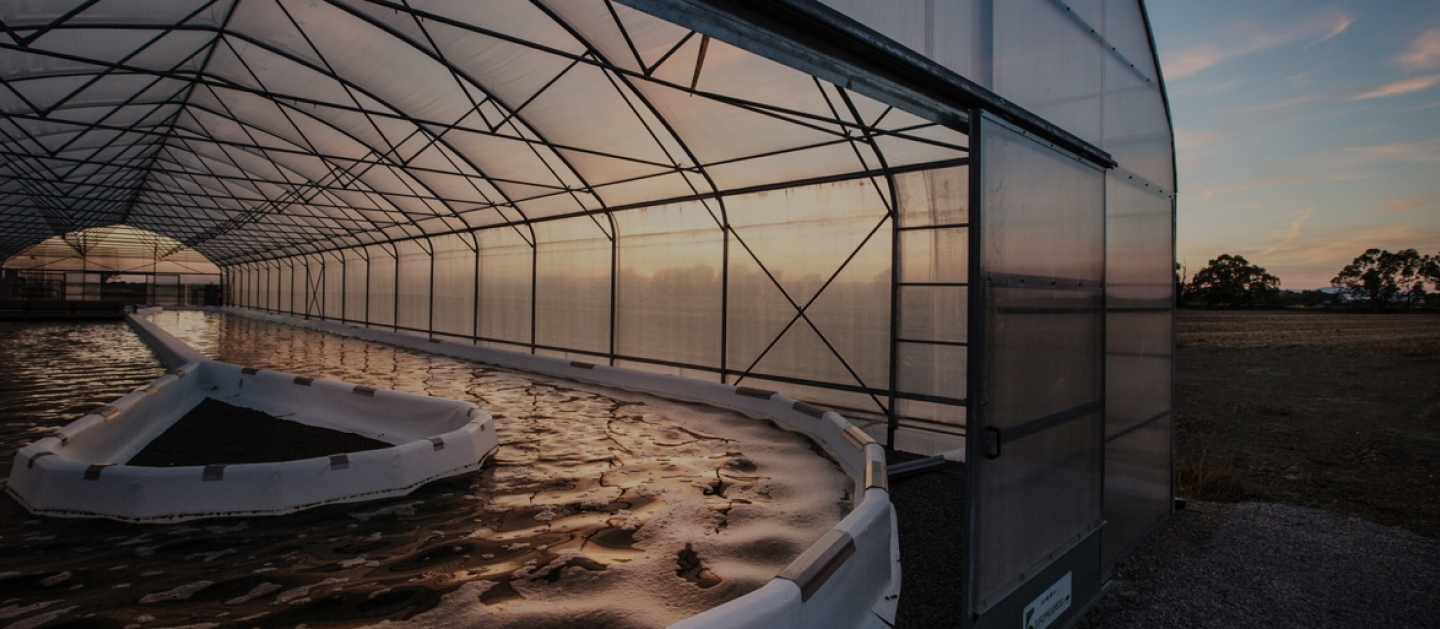
This is why it is essential to choose only organic, traceable spirulina: Spirulina Becagli's facilities use state-of-the-art enclosed, controlled greenhouses to guarantee a pure, contaminant-free and 100% safe Italian product.
👉 To learn more about benefits and precautions, read our article on the pros and cons of spirulina. If you have pre-existing conditions, or during pregnancy or breastfeeding, always consult your doctor.
6. Spirulina as a supplement: the formats in our shop
Now that you know spirulina's remarkable properties, discover how easily you can make it part of your daily routine.
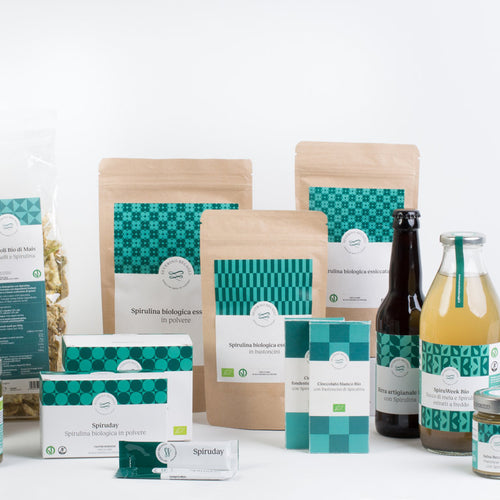
Our online shop offers different formats to suit every need:
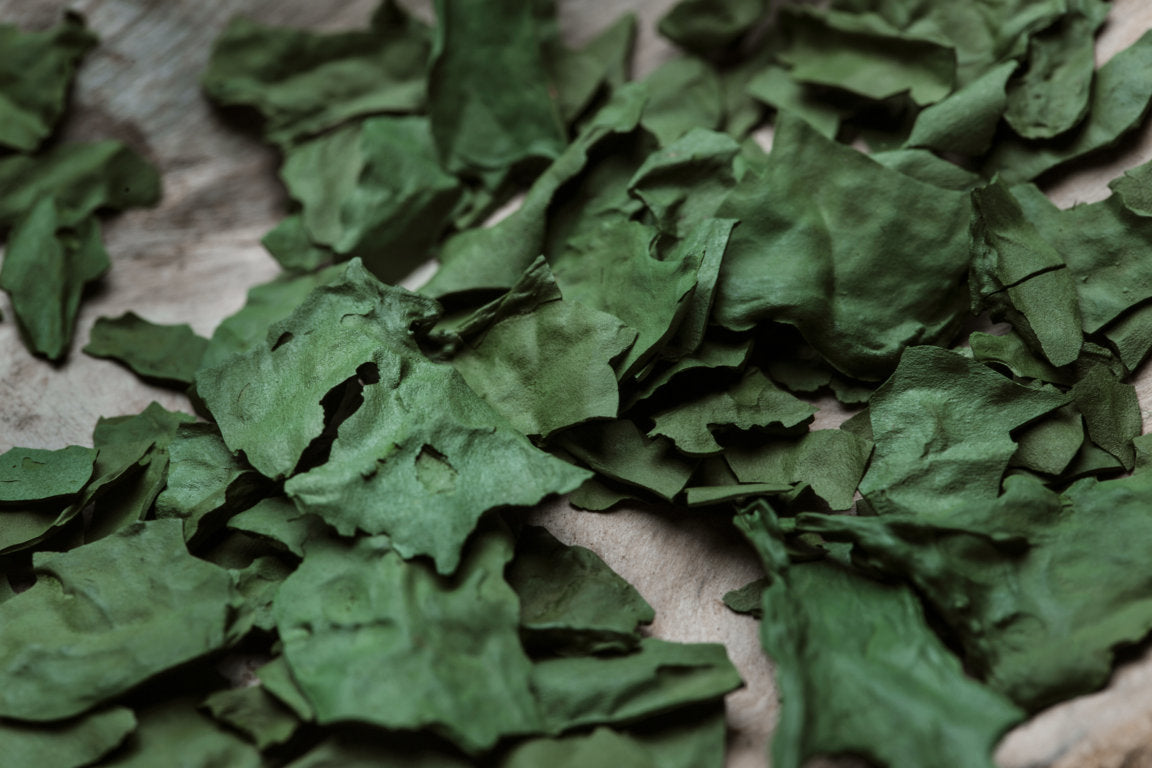
Dried spirulina (spaghetti / flakes): a versatile, crunchy addition to your daily diet. Add it to salads, yoghurt, smoothies or breakfast bowls. With around 60% protein and a high concentration of essential amino acids, iron and B vitamins, it supports energy metabolism and everyday vitality.
Spirulina powder: ideal for energy smoothies, fruit extracts, detox drinks, doughs and savoury recipes. Rich in phycocyanin, beta-carotene and chlorophyll, it is a concentrated source of antioxidants and detoxifying elements to counter tiredness and oxidative stress.
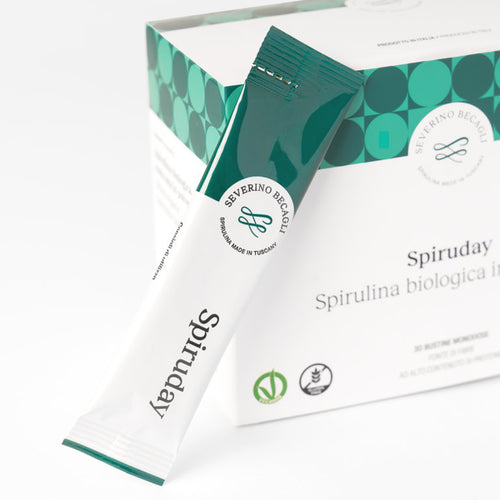
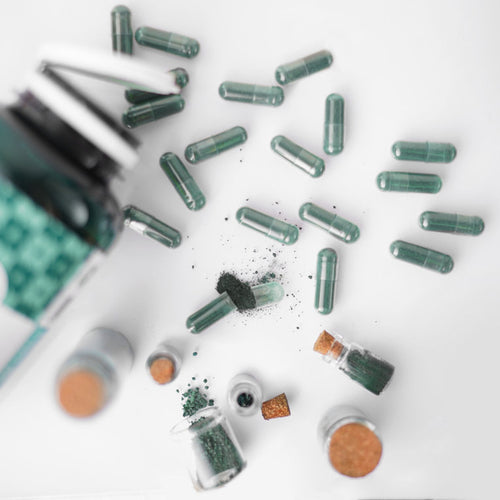
Spirulina tablets: convenient and pre-measured, ideal for busy lifestyles, frequent travel, or quick supplementation with meals without changing the taste of food.
Cosmetics and personal care: an innovative range of natural spirulina-based products for skin and hair. Care for your beauty from within through nutrition, and from outside through targeted cosmetic treatments for your beauty routine.
Guaranteed Spirulina Becagli quality
Whichever format you choose, Spirulina Becagli brings you a 100% Italian, natural and organic food, dried at low temperatures to preserve all its nutrients.
Our food supplements are:
- Registered with the Italian Ministry of Health
- 100% gluten-free
- VeganOK certified
7. How to take spirulina
The recommended daily amount ranges from 2 to 5 grams, depending on individual factors such as lifestyle, diet, metabolism and personal goals.
For people who practise intense or competitive sport, requirements may rise to 10–15 grams a day. Always remember to increase your daily water intake too.
You can take spirulina at any time of day:
At breakfast or lunch: a boost of vitality and nutrients for the day ahead.
Before or after exercise: to support muscle endurance or speed up recovery.
Here are some practical suggestions for each format:
Dried spirulina (spaghetti / flakes): perfect as a crunchy snack or added to salads, soups, muesli, grain bowls and yoghurt.
Spirulina powder: mixes easily into shakes, fruit extracts, juices and smoothies. It is also an ideal natural, protein-rich ingredient for fresh pasta, bread, biscuits, sauces and even ice cream. Chefs and restaurateurs also value it for its striking colour and nutritional contribution.
Spirulina tablets: the quickest and most convenient option for taking with meals or when travelling, without changing the taste of food.
- Important: food supplements should not replace a varied, balanced diet and a healthy lifestyle.
8. Why choose Spirulina Becagli
What makes Spirulina Becagli different is our unique cultivation, harvesting and processing method, which preserves the full nutritional value of this superfood.
Protected, organic cultivation: our spirulina grows in ponds inside automated greenhouses that constantly monitor temperature, ventilation and sunlight. This ensures an exceptionally pure environment, without any risk of external contamination by insects, heavy metals or pollutants.
Safe, automated harvesting: advanced automatic systems prevent direct contact with operators and ensure extremely high hygiene standards.
Slow drying at low temperature (40 °C): unlike large industrial producers that use high-temperature spray drying above 100 °C, degrading vitamins, amino acids and enzymes, we dry our spirulina slowly at 40 °C for 6–8 hours. This process preserves its protein, vitamin and sensory profile.
A choice of pure, 100% Italian quality
Choosing certified organic, traceable spirulina matters: when grown in uncontrolled water or processed at high temperatures, spirulina can lose its properties or accumulate toxic substances such as heavy metals and microcystins.
With Spirulina Becagli, you bring to your table a product that is:
- 100% organic and Italian, from our Tuscan supply chain
- Pure and free from pesticides, preservatives, additives and colourings
- VeganOK certified and gluten-free
- Registered with the Italian Ministry of Health
Choose the freshness and safety of high-quality Tuscan spirulina. Keep following our blog for recipes, health tips and news from the world of superfoods!
The information in this article does not constitute a medical prescription.