Mental Fatigue: What It Is and How to Regain Concentration
In a society with an increasingly hectic pace, where we often find ourselves racing against time, moments devoted to rest and recovery are often sacrificed. We may therefore feel exhausted, unmotivated or experience a sense of "brain fog".
This is mental fatigue, a temporary condition of physiological and cognitive tiredness that can affect our physical and psychological wellbeing and how we manage everyday life.
How can we cope with moments of low energy? Which good habits and natural remedies can help? In this guide we explore the main causes of mental fatigue and discover how to regain vigour and vitality, with support from a food supplement such as spirulina too.
What is meant by mental fatigue
Mental fatigue (or cognitive fatigue) occurs when we feel drained, with less energy and greater difficulty concentrating. It is often accompanied by irritability, impatience or reduced tolerance of everyday stress.
It is important to clarify that this is not a disease, but a temporary condition that may occur during periods of intense intellectual, work-related or personal effort.
Our brain needs moments of rest and decompression (such as deep sleep) to regenerate. When this rest is lacking for extended periods, the mind struggles to process information with its usual clarity, making even ordinary daily activities more tiring.
The main causes of mental fatigue
Many factors can cause or worsen mental fatigue, and they are linked to lifestyle:
- Hectic pace and everyday stress: An overload of commitments (multitasking), demanding work schedules and periods of intense emotional pressure.
- Insufficient or poor-quality sleep: Too little or fragmented night-time rest prevents the mind from regenerating properly.
- Unbalanced diet: Insufficient micronutrients (vitamins, minerals, amino acids) deprive the body of the energy needed for normal physiological functions.
(Note: if fatigue is persistent, prolonged and unrelated to periods of temporary stress, always consult your doctor to assess its causes).
The impact of mental fatigue on everyday life
Recognising the signs of fatigue is the first step towards looking after yourself. A tired mind can:
- Reduce concentration and productivity: Increasing the risk of oversights or mistakes at work or while studying.
- Affect mood: Making us more sensitive, irritable and less patient in our relationships.
- Affect physical wellbeing: Causing a general feeling of exhaustion, muscle tiredness and daytime sleepiness.
Tips and remedies for regaining energy and clarity
To combat mental fatigue and support cognitive performance, you can adopt some good everyday habits:
- Balanced diet: Provide the brain with adequate nutrition through a diet rich in minerals (such as magnesium, zinc and iron), vitamins (particularly B vitamins and vitamin C) and antioxidants.
- Targeted food supplementation: When diet alone is not enough, or during periods of increased need, natural supplements — such as spirulina — offer valuable support by providing amino acids, minerals and vitamins useful for countering physical and mental fatigue.
- Managing work patterns and breaks: Taking short breaks while working or studying helps the brain switch off and maintain a high level of attention.
- Sleep hygiene: Keep regular sleeping hours, reducing the use of digital screens (smartphones and computers) before bed to encourage truly restorative sleep.
- Regular physical activity: Movement and sport (preferably outdoors, or disciplines such as Yoga and Pilates) stimulate the release of endorphins, neurotransmitters that promote a good mood and general physical and psychological wellbeing.
Spirulina's role against physical and mental fatigue
Thanks to the essential nutrients it naturally contains (such as iron, B vitamins, magnesium and amino acids), spirulina is a valuable ally for supporting body and mind during periods of greater stress or everyday fatigue.
In detail:
- Iron and B Vitamins: Iron contributes to normal oxygen transport in the body and, together with B vitamins (such as B1, B2, B3, B6), helps reduce tiredness and fatigue.
- Essential amino acids (including Tryptophan): Provide the fundamental building blocks for protein synthesis and are the natural precursors of substances involved in regulating mood.
- Magnesium: A valuable mineral contributing to the normal functioning of the nervous system and physiological psychological function.
- Antioxidants (Phycocyanin and Beta-carotene): Help protect cells from oxidative stress caused by free radicals.
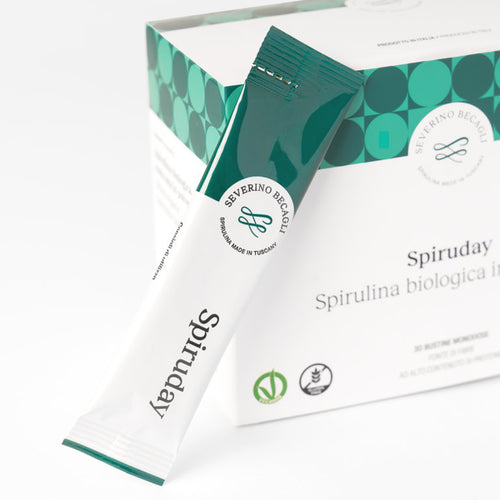
Introducing spirulina into your diet therefore provides useful resources for tackling busy days with energy and concentration. You can take Spirulina Becagli in convenient capsules, tablets or powder, perfect for adding to smoothies, yoghurt or cold recipes.
Note on dosage: The recommended daily amount is 2-5 grams per day. During periods of intense stress or prolonged fatigue, always consult your trusted doctor or nutritionist.
Spirulina, Mood and Stress Management
Hectic lifestyles, worries and constant deadlines can affect our emotional state, creating tension or restlessness.
Although spirulina is a supplementary food and not a medicine, its abundance of micronutrients can contribute to physical and psychological wellbeing and mood:
- Magnesium helps promote relaxation and the physiological balance of the nervous system.
- Tryptophan is an essential amino acid and a precursor of serotonin, a molecule involved in maintaining a good mood.
Introducing spirulina into a wellbeing-focused routine — including proper hydration, physical activity and relaxation techniques such as meditation or guided breathing — helps you approach everyday stress with greater balance.
Nutrition and Physiological Relaxation
Good nutritional balance is also essential for promoting restful sleep and mental clarity.
The amino acids and minerals in spirulina support the body's natural physiological processes, helping counter feelings of exhaustion on waking and throughout the day.
Support for Night-time Rest and the Evening Routine
Quality sleep is essential for memory, concentration and the recovery of physical and mental energy.
If you struggle to fall asleep, alongside adopting good evening habits (such as airing the bedroom, having a light dinner and limiting smartphone screen time before bed), appropriate nutritional supplementation can help:
- Magnesium intake promotes muscle relaxation and relaxation of the nervous system, preparing the body for night-time rest.
- The amino acid tryptophan participates in the body's natural metabolic pathways associated with daily biological rhythms.
Choosing organic, 100% Italian Spirulina Becagli means relying on a pure, tested product with guaranteed nutritional value: a valuable ally for supporting your physical and mental energy day after day.
Keep following our blog for more health and wellbeing tips!