|
A detox diet is an effective way to purify and detoxify the body naturally. Useful for waking up the metabolism, it helps eliminate toxins accumulated over time through an inadequate or unhealthy diet, with excessive consumption of protein or refined carbohydrates.
Certain medicines, stress, smoking and alcohol can also increase the amount of toxins in the body, leading to tiredness, digestive problems, weight gain, abdominal bloating with constipation and difficulty losing weight. Among detox foods, Spirulina Becagli is one of the most appreciated for following a healthy diet. |
|
|
Spirulina Becagli and the detox diet
When the body is full of toxins, the complexion looks duller and hair and nails become brittle. You feel an annoying sense of fatigue, together with irritability, low mood and lower resistance to infections. The body becomes more vulnerable to illness because the immune system is not working properly.
In this case, you should not ignore your body's calls for help but follow a diet that gives it a complete break to restore the proper functioning of the internal organs, favouring fruit, vegetables and so-called detox foods.
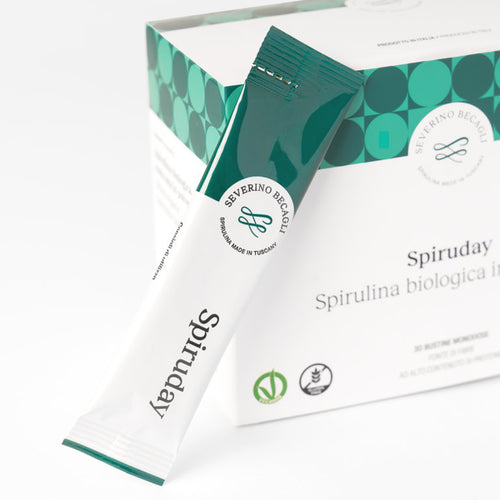
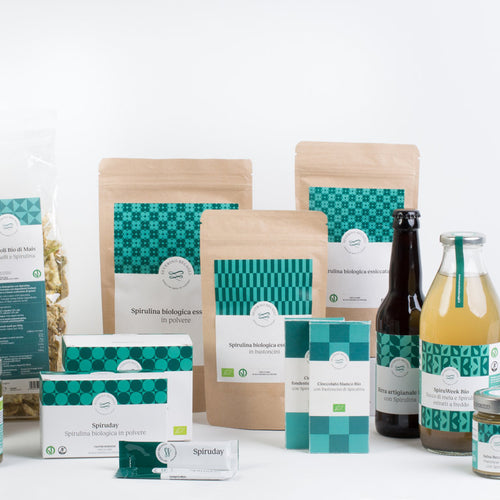
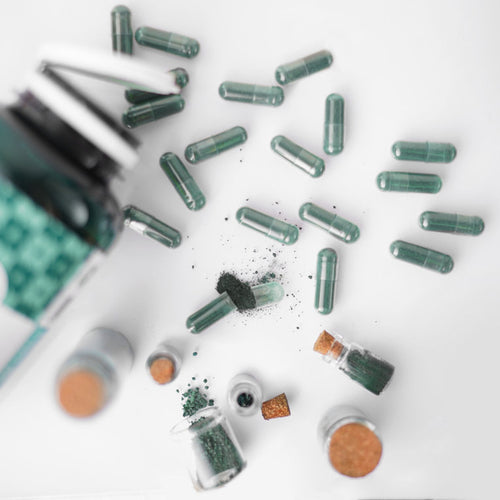
Spirulina Becagli is a superfood with energising, anti-inflammatory, antioxidant and detoxifying properties. Grown at our facility in Grosseto, in the heart of the Tuscan Maremma, in open tanks (raceway ponds) inside automated greenhouses that ensure perfect control of growing conditions, spirulina is a cyanobacterium of high nutritional value.
Rich in protein, vitamins, antioxidants, omega 6, omega 3, minerals and essential amino acids, it promotes a proper, healthy diet, supporting weight loss, stimulating the metabolism and detoxifying the body. As part of a detox programme, it helps eliminate endogenous and exogenous toxins from the liver, kidneys and intestine.
A source of chlorophyll, Spirulina Becagli effectively regulates blood cholesterol and triglyceride levels, helping to improve many of the body's functions. Taken before main meals, it can trigger a feeling of fullness that helps limit the amount of food you eat, also helping you gradually reduce your waistline and get back in shape.
What are the principles of a detox diet?
A detox diet is based on eating purifying foods, also in liquid form, and can last for different lengths of time depending on your needs. As a rule, it should never exceed 5 days. The impact on the body is certainly drastic, which is why it is always best to consult your doctor before starting a cleansing programme.
To avoid serious repercussions, do not cut daily calories too much: stay within the standard values, which are 1,200 kcal for women and 1,800 kcal for men. Fasting does not cleanse you, because in the absence of carbohydrates our body produces ketone bodies from the proteins used as an energy source, so the result is exactly the opposite.
A detox diet essentially aims to purify the liver, an essential organ with important functions: it is involved in carbohydrate metabolism, bile production, blood sugar regulation, digestion, the production of triglycerides and cholesterol, and the elimination of waste and toxins, both those normally produced by the body and those taken in from outside.
A well-functioning liver improves digestion and supports intestinal transit. It also gives the body more energy, helping you lose weight where needed.
A detox diet is based on a few essential rules:
1) Eat fibre. Found in wholegrain cereals (rice, bread, pasta, flour, oats), legumes, vegetables and nuts, it limits the absorption of sugars and saturated fats.
2) Eat omega 3. Oily fish (mackerel, sardines), cod, hake, sea bass and sea bream, oil seeds, nuts and Spirulina Becagli are particularly rich in it. These essential fatty acids help improve insulin sensitivity and reduce fat build-up in the liver.
3) Cut out refined carbohydrates and sugary products. We are talking, of course, about baked goods made with white flour (so wholemeal is better), grilled and fried food, cured meats and fatty meats, aged cheeses, tinned food (because it is salty) and sauces.
4) Avoid caffeine, theine, fizzy drinks and alcohol, replacing them with excellent green tea, well known for its diuretic, antioxidant, anti-inflammatory, slimming properties and its stimulating effect on the nervous system and metabolism. Herbal teas, infusions and juices are also fine, together with a litre and a half of still water a day, which is essential for carrying toxins away and eliminating them through the so-called excretory organs: kidneys, skin, lungs, liver and intestine.
5) Use as little seasoning and salt as possible. However tasty they make food, these substances are also responsible for high blood pressure and fluid retention, and therefore for fluid build-up and localised swelling in the abdomen and legs. To add flavour to food you can use herbs and spices.
6) Eat 5 meals a day. A detox diet does not involve fasting. To stimulate the metabolism, the intestine needs to stay active. So, in addition to the 3 main meals (breakfast, lunch and dinner), have a mid-morning snack and an afternoon snack, each consisting of a handful of nuts such as hazelnuts, walnuts or almonds.
7) Give fruit its proper value. Not all fruit is suitable for a detox diet, but pineapple is a great ally for the body. An inexhaustible source of vitamin C, magnesium, iodine and phosphorus, it is a powerful remedy against the harmful action of free radicals, which are responsible for cellular and therefore skin ageing. Made up mostly of water and fibre, pineapple is naturally purifying and antioxidant. It can be eaten raw at the end of a meal or to curb hunger mid-morning.
Another fruit not to underestimate is avocado. Rich in protein, essential fatty acids and "good" fats (omega 3 and 6), it helps lower blood cholesterol levels and provides energy without weighing you down, as long as it is nice and ripe.
A natural medicine against all kinds of ailments, pomegranate is the perfect fruit for a detox programme. A source of antioxidants, it has moisturising and antibacterial properties and stimulates cell regeneration, thus countering cellular ageing. Water flavoured with pomegranate and a few drops of lemon or some ginger has an excellent detoxifying effect.
8) Exercise regularly. Sport is needed to support the efforts made at the table. As well as helping you gradually lose a few extra kilos, it is a cure-all for the body and for your mood. It clears the mind, driving away negative thoughts and the stress built up during the day. Outdoor activity is recommended: jogging or simply a brisk walk in the park will do.
9) Scrub your whole body. Although different from the previous remedies, this practice is also part of the detox programme, as it helps remove dead cells and stimulates blood circulation. A loofah or a brush made of natural fibres is usually used, rubbed over the whole body (except the throat, face and any sore areas) with slow, circular movements. Afterwards, it is a good idea to take a shower or bath ending with at least a minute of cold water, to activate microcirculation.
Who is a detox diet not suitable for?
Although useful and necessary in some specific conditions, a detox diet is not suitable for pregnant or breastfeeding women. Being deprived of certain nutrients and fluids could have more or less serious effects on the baby. It is also not recommended for people who are underweight, the elderly or people with high blood pressure. Before starting a diet of this kind, it is always advisable to consult your doctor or a good nutritionist.
In conclusion, for anyone who wants to detoxify their body without too many sacrifices, Spirulina Becagli is the ideal solution. A valuable support for a healthy, nutrient-rich diet, taken regularly every day before main meals it helps increase the feeling of fullness thanks to its wealth of nutrients and their effect on cholecystokinin secretion. This superfood, produced and processed on our estate in Grosseto, reduces blood triglycerides and stimulates an increase in good cholesterol (HDL) while reducing bad cholesterol. It also regulates high blood pressure, which is responsible for cardiovascular disease: a real cure-all for the body.