A hectic lifestyle has become a constant in our days, with all the stress it brings at work and in everyday life. From the moment the alarm goes off, it's a constant rush to some appointment or duty, whether taking the children to school or an important work meeting. A situation that can leave us drained by the evening, physically and mentally exhausted. Add external factors such as illness or changes of season, and we can feel even weaker. That's why natural tonics such as spirulina play a leading role.
But what do we mean by a natural tonic? And specifically, what is spirulina as a tonic for? Let's find out together in this article!
Natural tonics: what they are and when to use them
By tonic we mean “any medicinal preparation, for oral or parenteral use, aimed at the complete functional recovery of the body in cases of debilitation, convalescence, etc., or at preventing the consequences of physical or mental overwork” (Treccani). Applied to natural tonics, this meaning refers to a range of foods, plants, roots and algae that can be taken as supplements for their valuable supply of beneficial substances.
Among the best known are spirulina and klamath algae, honey and royal jelly, ginseng and eleuthero, maca and wheat germ. But among tonic foods we could also mention many vitamin-rich fruits and vegetables with antioxidant virtues. Every natural product has its own characteristics and can help, starting with diet.
Normally, a balanced diet and a healthy lifestyle are enough to give the body everything it needs. On the other hand, an irregular diet can hinder the absorption of the nutrients in food and lead to
nutritional deficiencies, while stress or illness can weaken the immune defences. So it becomes essential to choose tonics to restore body and mind, preferably natural ones, since the body absorbs them better than synthetic ones. But when should you use them? For example:
-
after an illness or flu;
-
after an operation;
-
after taking medication for a long time;
-
during changes of season, especially from summer to autumn;
-
after sudden weight loss;
-
during periods of particular fatigue or physical and mental stress;
-
with jet lag;
-
during a severe allergy;
- when feeling unwell, run down or low on energy.
Every situation is different, and it is always advisable to ask your doctor or pharmacist for targeted advice. Otherwise you risk choosing the wrong tonic, dose or way of taking it. In the case of spirulina, for example, it is useful to know its particular tonic properties. Let's look at them!
Spirulina as a tonic: what it is for

Among tonic foods, special mention goes to those considered superfoods: products that on their own can supply the body with the nutrients it needs, from proteins to minerals and vitamins. One of these is spirulina, a perfectly spiral-shaped cyanobacterium which, although it grows in fresh water, resembles seaweed in its photosynthetic production of oxygen.
When it comes to nutrition, spirulina plays an essential role thanks to its concentrate of well-balanced nutrients, which can provide the necessary amount of protein, minerals, vitamins, essential amino acids, omega 3 and omega 6 when taken in the right amounts (2 to 5 grams a day). That is why it has been used as an elixir since ancient times, and why today it is considered one of the best natural tonics.
The advantages it brings to the body are closely linked to general wellbeing. Specifically, spirulina helps to:
● strengthen the immune system, limiting tiredness and giving the body new resources;● regulate blood sugar levels, lowering triglycerides, reducing bad LDL cholesterol and improving levels of good HDL cholesterol;
● speed up the metabolism, providing more physical and mental energy by supporting better blood supply and oxygenation of the cells;
● counter allergies such as allergic rhinitis and hay fever;
● make up for nutritional deficiencies, even in cases of malnutrition or undernutrition, thanks to its concentrate of proteins, vitamins and amino acids easily absorbed by the body;
It is therefore clear that spirulina is the perfect food to add to your diet as a natural tonic or as a factor supporting a person's general wellbeing.
Becagli's 100% vegan spirulina: the tonic you were looking for
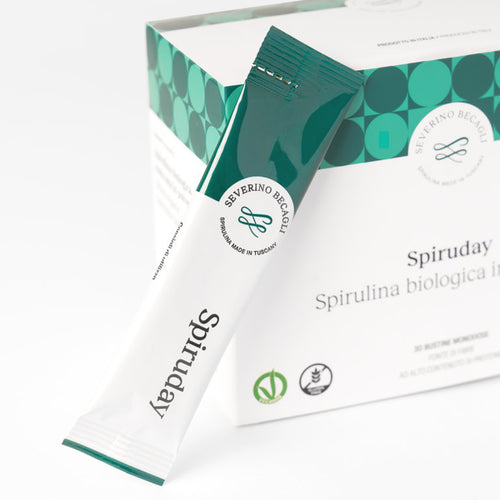
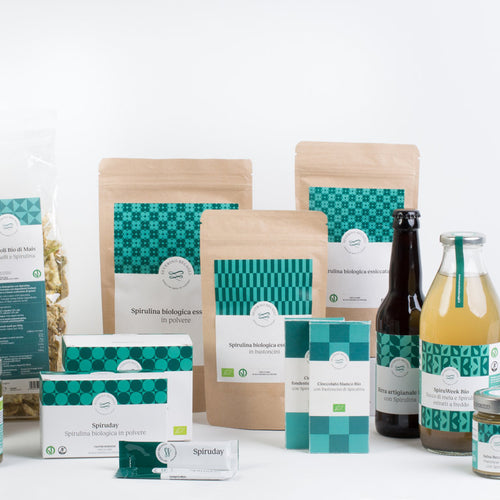
At Spirulina Becagli we have been working in this sector for years and offer high-quality products:
● spirulina powder;● dried spirulina;
● spirulina pasta;
The state-of-the-art technical equipment we use, together with our attention to all the required standards and regulations, allows us to get the best from our facility in the province of Grosseto: the birthplace of our project to make spirulina the food of the future while protecting the environment. The result is completely organic spirulina products, with no added fats or sugars, 100% vegan and gluten-free, also suitable for people with food intolerances or following plant-based diets. All made in Tuscany.
Spirulina Becagli provides all the typical benefits of this cyanobacterium, from protein, which can make up as much as 77% of its weight, to essential amino acids in the same proportions as in breast milk (phenylalanine, threonine, tryptophan, methionine, lysine, leucine, isoleucine and valine). But that's not all.
Spirulina Becagli also provides so-called good fats, such as linoleic acid and alpha-linolenic acid, which help counter blood triglycerides, lower harmful cholesterol and raise good cholesterol. Last but not least, it provides plenty of vitamins A, D, K, E and B, which are essential for strengthening the immune system and providing a tonic effect. Not forgetting minerals such as calcium, iron, zinc, potassium, selenium, sodium, copper, phosphorus, magnesium and manganese.
However, remember that supplements alone may not be enough to get your strength back. Feeling tired and run down is the result of various factors, some of which depend on behaviour and habits. A life lived in too much of a hurry, with a demanding work pace and heavy physical and mental commitments, can weaken the immune defences, especially in winter, when the cold brings seasonal illnesses. If possible, then, carve out time to get away and recharge. A half-hour walk a day, time with friends or regular sport can be enough.
Diet also plays its part: overeating, irregular eating and foods rich in fats and sugars but poor in nutrients can have a negative effect on the body's defences. In this case it helps to limit red meat, fried food, sweets, alcoholic and sugary drinks in favour of white meat, fish, fruit, vegetables, plant protein, water, tea and herbal teas.
With these simple steps, the body regains its balance, releasing accumulated stress and toxins in favour of a healthy lifestyle. Without ever forgetting the contribution of spirulina: nature's tonic, with countless virtues.
Read also: How to combat mental fatigue with spirulina